Cairo Population 2026: What Cairo’s Population Means for Travelers
It is often said that the driving force behind Egypt's capital isn't just its awe-inspiring ancient monuments, but the sheer, unstoppable energy of the Cairo Egypt people. When you stand in the heart of this metropolis, you quickly realize that the Cairo population creates a vibrant, living symphony that never sleeps. It is a megacity where thousands of years of history and fast-paced modernity collide on every bustling street corner.
For international travelers and researchers asking, What country is Cairo Egypt in?, the answer unlocks the gateway to North Africa and the Middle East. Strategically located at the hub of the Nile Delta, Cairo serves as the political, cultural, and economic center of Egypt.
But beyond its massive geographic footprint, what is Cairo known for? While global tourists flock here to witness the Pyramids of Giza, historic mosques, and the famous Khan El-Khalili bazaar, the true magic of the city lies within its staggering demographics and cultural depth.
Cairo Egypt Population: A Glimpse into the Megacity
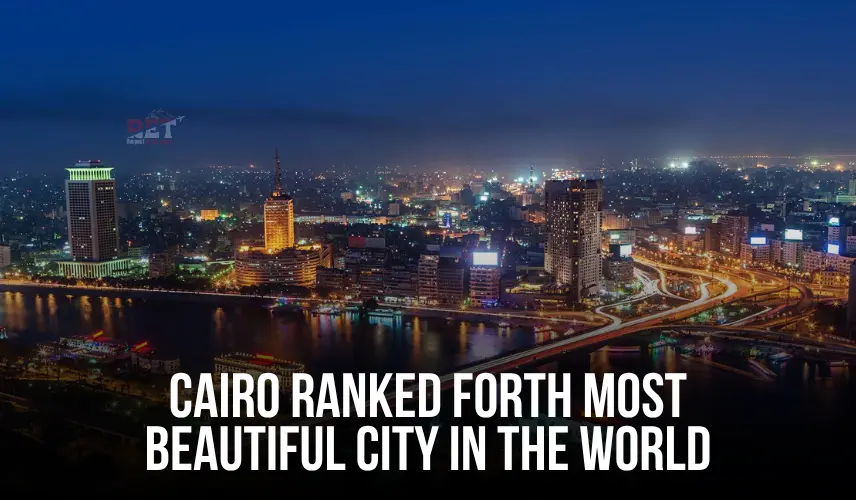
If you are looking at the latest 2026 statistics to understand the true scale of this urban giant, the numbers are mind-blowing. The Cairo Egypt population has officially crossed 23.5 million inhabitants within the Greater Cairo metropolitan area, firmly securing its position as the most populous urban zone in Africa and across the entire Arab world.
However, when breaking down the data, the exact numbers depend on where you draw the administrative lines. If you want to know precisely how many people live in Cairo, look at the central governorate boundaries versus the expanding metropolitan sprawl:
-
"Population of Cairo city" (The Central Cairo Governorate): Approximately 10.1 million residents.
-
Greater Cairo Metropolitan Area (including Giza and Qalyubia extensions): Approximately 23.5 million residents.
-
Average urban density: Around 19,000 persons per square kilometer, making it one of the absolute densest living spaces on Earth.
For anyone researching "how many people live in Cairo, Egypt" ahead of a trip, visualizing this scale can be fascinating.
💡 Traveler’s Note: Navigating a city of this size can feel overwhelming for first-timers. Experienced travelers often recommend utilizing a trusted local agency, like Respect Egypt Tours, to seamlessly handle transport and guiding through the high-density areas, ensuring a smooth and safe urban adventure.
The Historical Growth: How Cairo Became a Megacity
The history of Cairo's growth is permanently tied to the life-giving waters of the River Nile. Founded in the 10th century by the Fatimid dynasty, the city was strategically positioned to control trade routes, fertile lands, and administrative power.
The Evolution of the Cairo Population
A historical overview of the city’s residents over time shows a steep upward curve, driven primarily by mid-20th-century industrialization and massive rural-to-urban migration as citizens moved to the capital for economic opportunities.
| Year | Estimated Metropolitan Population | Growth Rate |
|---|---|---|
| 1950 | 2.4 Million | — |
| 1980 | 7.3 Million | 3.5% |
| 2010 | 16.9 Million | 2.1% |
| 2026 | 23.5 Million | 2.0% |
Cairo Population Density: Living in the Megacity
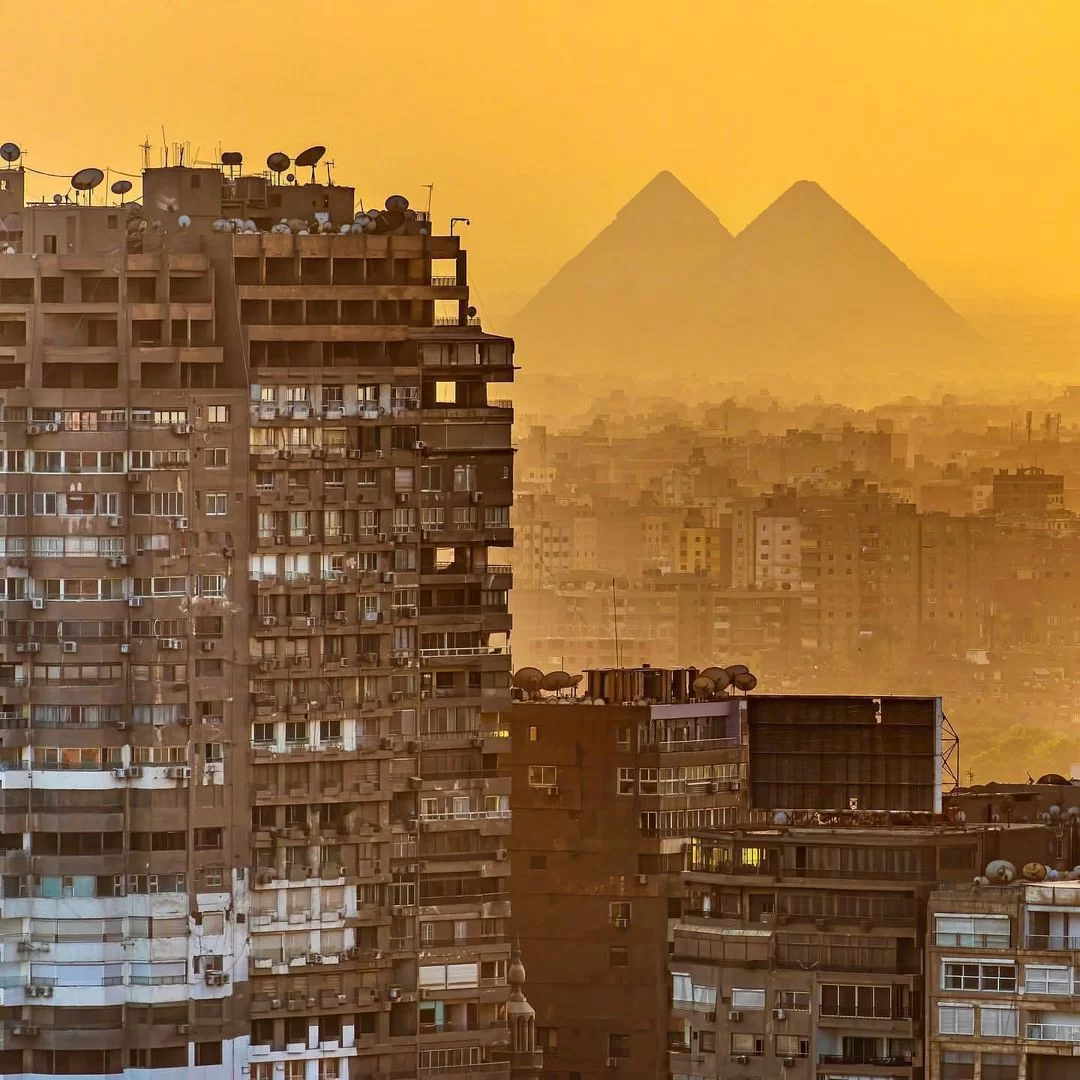
Cairo isn’t just massive in terms of pure numbers; its central districts feature a dense packing of residential buildings and historic structures. In historic neighborhoods like Bab El-Shaariya or the central hubs of Downtown, the density creates an electric, around-the-clock environment.
Why is the population density so high?
-
Geographic Constraints: The surrounding desert naturally concentrates the population along the narrow, fertile banks of the Nile River.
-
Extreme Centralization: As the nation's hub, Cairo hosts the main government offices, top financial institutions, universities, and healthcare systems.
-
Historic Attraction: For over a thousand years, it has remained the primary economic magnet of the region.
To see how this density varies, planners look at individual districts:
| District | Estimated Population | Density (per km²) | Lifestyle Dynamics |
| Downtown Cairo | 1,200,000 | 25,000 | Historic center, high commercial traffic |
| Giza | 2,500,000 | 15,000 | Major residential hub near ancient sites |
| Nasr City | 1,500,000 | 18,000 | Modern, planned residential & commercial spaces |
| Maadi | 350,000 | 12,000 | Quieter, green suburban and expat-friendly area |
Local Insider Tip:
From our operations at Respect Egypt Tours, we’ve noticed that navigating Downtown Cairo during peak hours (between 2 PM and 5 PM) requires strategic planning, which is why we always schedule our tours to avoid these blocks.
Cultural Composition and Demographic Insights
One of the most promising factors of Cairo’s demographics is its youth. According to statistics provided by the Central Agency for Public Mobilization and Statistics (CAPMAS), over 50% of Cairo's population is under the age of 30.
-
Median Age: Approximately 25 years old.
-
Male vs. Female Ratio: Nearly equal.
-
Diversity: While primarily Egyptian, Cairo proudly hosts vibrant cultural communities from Sudan, Syria, and various Middle Eastern and African nations, making it a true cultural mosaic.
This youthful population heavily contributes to the city's booming tech, trade, and tourism sectors. The local people are globally famous for their warmth, hospitality, and sharp sense of humor. Despite the heavy traffic and crowded streets, an undeniable sense of tight-knit community thrives within every traditional neighborhood.
How Cairo Egypt People Turn Chaos into Kindness
When Western travelers look at the staggering Cairo Egypt population data, their first concern is often the overwhelming scale of a megacity. However, the physical density of the capital tells only half the story; the true magic lies in how the Cairo Egypt people interact with the world around them. Cairo is globally unique because its massive population doesn't create a cold, isolated urban environment—instead, it fosters an unmatched culture of warmth, community, and hospitality.
For foreign tourists navigating the bustling streets, the kindness of local Cairo Egyptians is a constant highlight. Whether it's a stranger offering directions with a smile, a local vendor inviting you for a cup of traditional mint tea, or the genuine sense of security you feel in crowded spaces, the human element softens the city's chaotic pulse. Despite the daily urban challenges that come with housing over 23 million residents, the local culture remains deeply rooted in humor and generosity. This incredible blend of high-energy urban life and deep personal kindness is exactly what Cairo is known for in the hearts of those who visit.
Urban Challenges and Modern Innovations
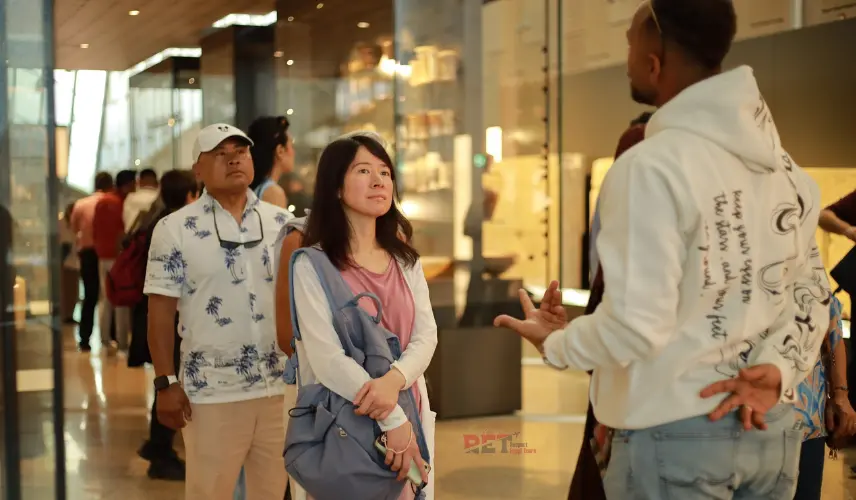
Managing a megacity of 23.5 million people naturally comes with significant urban planning challenges:
-
Overcrowding & Traffic: The intense density shapes daily transit patterns. To counter this, Egypt has invested heavily in modern infrastructure, including expanding the Cairo Metro system, building massive flyovers, and establishing the New Administrative Capital to relieve central congestion.
-
Public Services: Distributing healthcare, education, and utilities to millions requires continuous adaptation.
-
The "Ghost Town" Phenomenon: Rapid urban shifts have led to stark contrasts—while central Cairo is hyper-crowded, newly developed desert satellite cities sometimes feature vast, quiet, or temporarily undeveloped districts as the population gradually transitions outward.
Exploring Beyond the Crowds: The Nile and Beyond
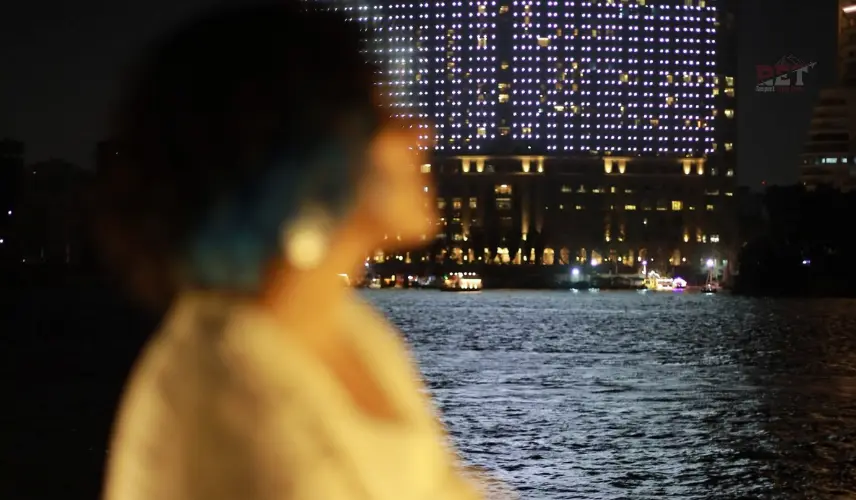
The River Nile remains the absolute lifeblood of the city. For travelers looking to escape the urban hustle, the riverbanks offer a peaceful sanctuary lined with luxury accommodations, local floating restaurants, and traditional sailboats called feluccas.
Popular activities on the Nile include:
-
Sunset Felucca Cruises: Capturing the transition of the megacity as the urban lights turn on.
-
Dinner Cruises: Sampling authentic Egyptian food heritage paired with traditional music and dance.
-
Corniche Walks: Enjoying rare green spaces and fresh breezes along the water.
Conclusion: Why You Should Visit Cairo
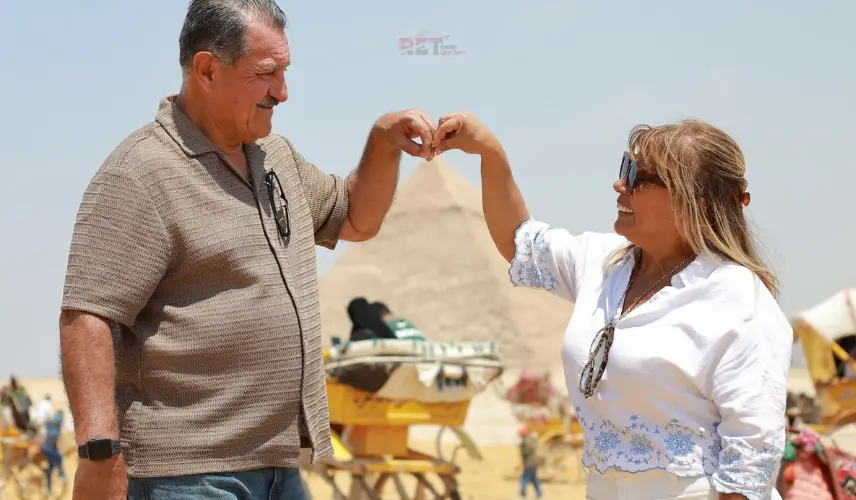
Cairo is far more than just a massive statistical figure; it is a living, breathing testament to human resilience, culture, and community. From its ancient Fatimid beginnings to its 2026 status as a regional economic powerhouse, the city rewards those who dive straight into its energetic pulse. Discovering the vibrant Cairo population is an essential part of understanding Egypt’s true charm.
Navigating this sprawling giant is an unforgettable adventure. With a young population driving it forward, Cairo stands as an essential destination for anyone seeking an authentic, rich, and deeply historic urban experience.
Looking Ahead: Future Travel Planning for Cairo
As we look beyond 2026, Cairo’s energy is only going to grow, making strategic trip planning even more essential for international visitors. If you are tracking future travel phenomena, Cairo will be a major hub for those preparing for the highly anticipated Solar Eclipse Egypt 2027. Booking your itineraries early ensures you experience the magic of Egypt's historic sites and the warmth of its people without getting caught in the monumental crowds of peak travel seasons.
Related Tours
.webp "King Djoser in Old Cairo")










.png "Movenpick Hotel")





.svg)
 Transfers