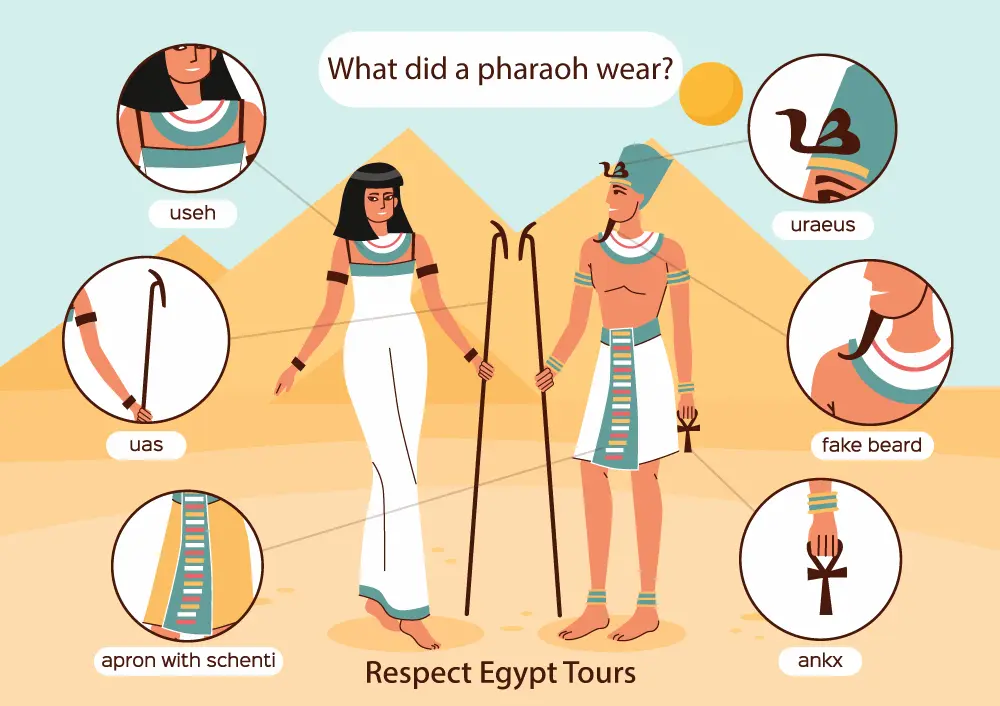
What did a pharaoh wear? Ancient Egyptian fashion
The ancient city of Egypt is considered among the most iconic and intriguing civilizations of the past. The immense beauty, mystery, and advances of this culture have fascinated people for a long time. However, reading about this history is only the beginning. Imagine standing in the shadow of the pyramids, visualizing the gold of a pharaoh’s attire shimmering under the same desert sun that lit the kingdom thousands of years ago.
One thing that stands out is the dress code that was worn by those who were pharaohs. Knowing “what a pharaoh’s clothes look like” can help deepen a connection to the mystery of ancient Egypt. This article will examine the clothing of the pharaohs in depth, highlighting their royal attire, which symbolized power, and the materials used to create their elegant garments.
The question is, what did a pharaoh wear? The answer is ambiguous because their clothes differed based on their job, the time, and the event. But some common elements can be observed in their attire to show their status as gods. The pharaohs were dressed in a way that set them apart from the ordinary Egyptians of various classes, with their elaborate crowns and lavish fabrics. Let’s have a look at their clothes and see how they went beyond just a means of protection or a decorative element.
Pharaoh’s Clothing: The Basics
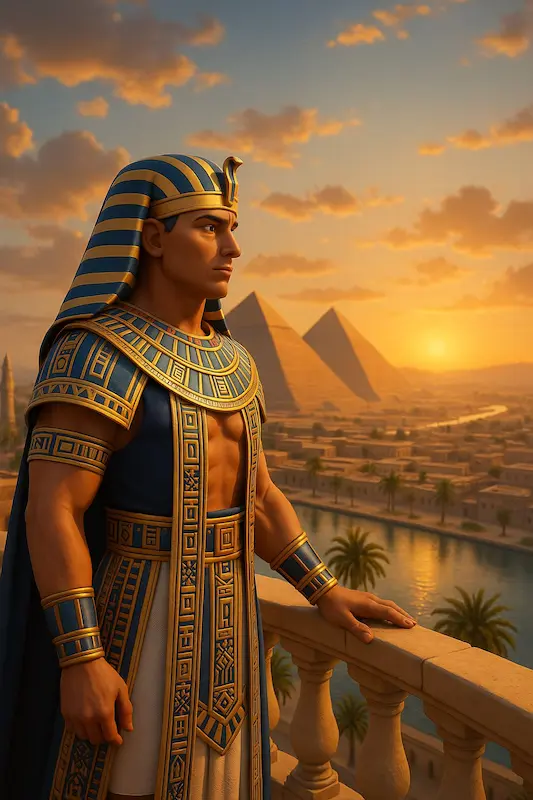
The clothes worn by pharaohs weren’t simply a matter of fashion but also a part of their status as ruling the state of Egypt. When we consider “What did a pharaoh’s wardrobe look like?”, we must first look at the significance behind the unique pieces. Pharaohs were more than just monarchs. They were considered gods on Earth, and their attire reflected their divine status.
The Linen Tunic: The Core of a Pharaoh’s Wardrobe
Because of its ease in the desert’s hot climate, the fabric was the preferred fabric in ancient Egypt, dating back to 3000 BC. The tunic was one of the most commonly worn garments among pharaohs and other members of the royal court. The simple, elegant piece was usually carefully woven, then bleached to reveal a white color. Using linen gave an air of elegance and was also an emblem of purity.
The tunics and robes worn by the pharaohs varied in style. For ceremonies, the tunics could be embellished with gold and other metals. This wasn’t only for aesthetics but also to convey the ruler's wealth and status.
The Sheath and Skirt: A Symbol of Royalty
The “shendyt” was a skirt or kilt worn by the pharaohs. It was an essential aspect of the pharaoh’s dress, usually made of linen. The pharaohs donned this garment, which differed in length and design and was often worn with a leather belt or other adornments. Its length was a sign of a pharaoh's status. Longer skirts were reserved for royalty.
The clothing is believed to have been worn to facilitate mobility, particularly in military or ceremonial activities. The design was comfortable, but it still represented the upper class of ancient Egypt.
What did a pharaoh wear as headgear?
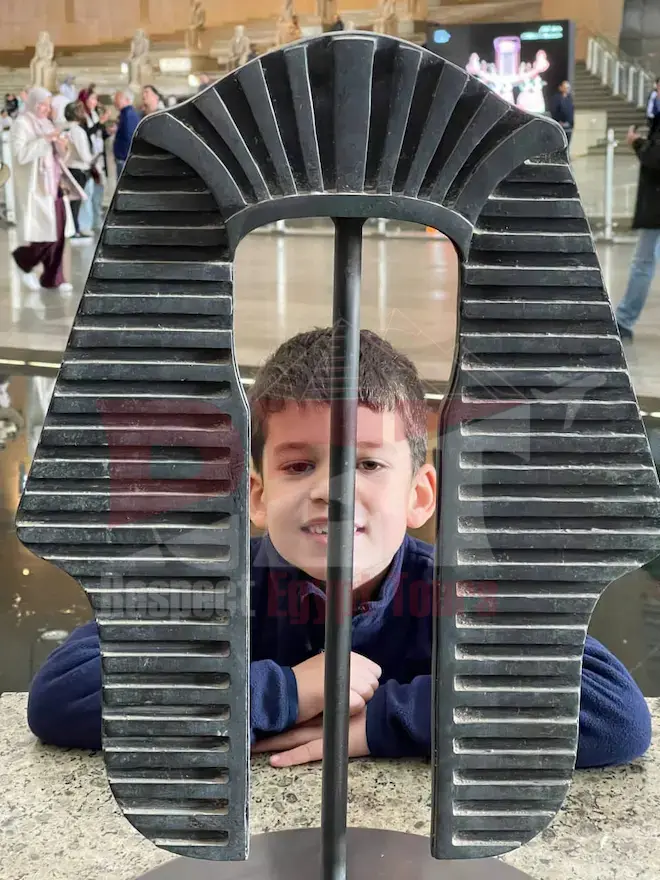
The headgear worn by the pharaohs is among the most famous symbols of their status. The most famous crown is the “Pschent”, made up of both the red crown from Lower Egypt and the white crown of Upper Egypt. Pschent was a symbol of unity. Pschent symbolised the unity of the two nations under the pharaoh’s rule. It was usually worn during ceremonial or public appearances, enhancing the pharaoh’s image with prestige and power.
Alongside the Pschent, pharaohs were also well-known for their majestic headdresses adorned with precious stones and gold. The headdresses of these were often adorned with the uraeus, a cobra symbol of divine power and protection. This headdress often included the Nemes, the iconic striped headcloth. Seeing these symbols in person at the royal tombs brings the ancient power of these rulers to life in a way no picture can capture.
The Double Crown: A Fusion of Upper and Lower Egypt
Another important headgear is the double crown, comprising two crowns: the White Crown of Upper Egypt and the Red Crown of Lower Egypt. The double crown represented the unification of both regions under the stewardship of a single pharaoh. Double crowns were worn at significant religious celebrations and as a symbol of kingly power.
What did a pharaoh wear as jewelry?
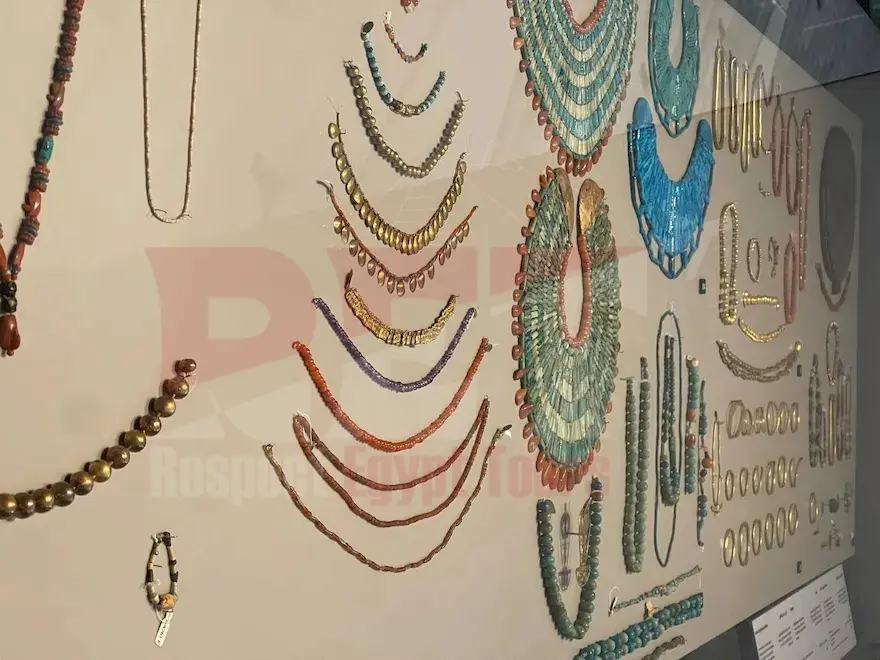
Jewelry played a central role in the fashions of early Egypt, and for the pharaohs, it was more than a mere accessory. It was an indicator of power, wealth, and divine protection. The most popular jewelry items included collars, rings, bracelets, and earrings. They were usually constructed from lapis lazuli, gold, and other precious stones, which ensured that the appearance of the pharaoh was one of regal splendor.
The jewelry worn by the pharaohs was not only decorative but also held important spiritual meanings. Most pieces were made to protect the pharaoh from evil forces, to reflect their beliefs, and to depict gods and goddesses believed to provide divine protection. A collar was a key piece of jewelry. The neck collar was special because it encased the neck and signified that the pharaoh was connected to the gods. Every item held significance.
The King Tut Golden Mask: A Glimpse into Royal Jewelry
The most well-known example of royal regalia worn by pharaohs comes directly from Tutankhamun’s tomb. The gold death mask is one of the most recognizable pieces of Egyptian history. The mask not only showcased the day's amazing craftsmanship but also highlighted the pharaoh’s status as a king. The mask was crafted from solid gold and adorned with turquoise and lapis lazuli to further emphasize the pharaoh’s power.
Footwear and Cloaks
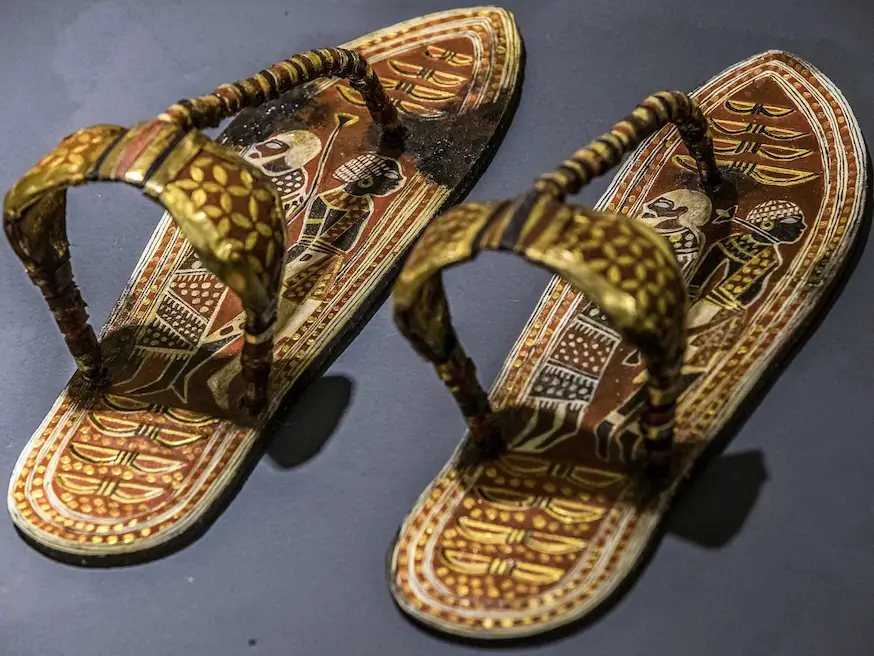
Footwear of the Pharaohs: A Step Towards Divinity
While most early Egyptian culture was centered on the lavish textiles and intricate patterns of clothing, the footwear of the pharaohs was equally important in maintaining their image of power. Shoes made of leather were often worn; however, they were not normal sandals. They were made of the highest-quality leather and were frequently embellished with precious stones or gold.
To mark occasions, pharaohs might wear sandals made of gold or other materials to signify their eternal nature. Sandals were also made with great fineness to show the elegance, wealth, and affluence of the wearers.
The Pharaoh’s Cloak: A Statement of Royalty
In colder seasons or for celebrations, pharaohs wore cloaks made from fine linen or wool. The cloaks were typically lavishly embellished, using elaborate designs or gold thread to signal their status as royals.
The cloak also served as an emblem of the pharaoh’s status as guardian of Egypt. It was believed to be an opportunity to protect the ruler from danger and also a sign of authority.
Ceremonial Attire and Symbols
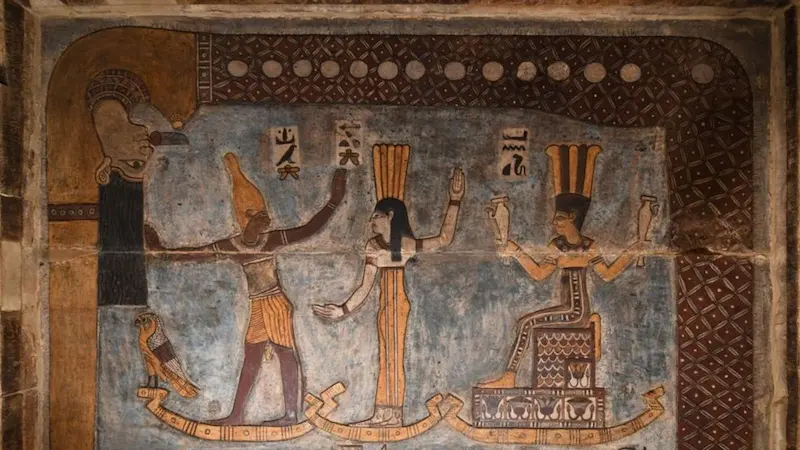
What did a pharaoh wear for special occasions?
The daily attire of the pharaohs consisted of skirts, tunics, and sandals. Ceremonial attire was more extravagant. On royal occasions, like those of the coronation or the festival of Opet, the pharaoh was dressed in extravagant attire.
The Ceremonial Robe: Luxurious and Divine
On occasions of great importance, the pharaoh wore an elaborate ceremonial dress that was usually constructed of the finest linen and adorned by intricate patterns. The robe was embellished with gold thread and precious stones designed to reflect the sun’s light and signify the ruler’s heavenly connection to the gods.
The Royal Crook and Flail: Symbols of Leadership
Alongside the extravagant clothes, pharaohs would also have carried symbols of power, such as the flail and crook. These objects, often depicted in images of pharaohs, symbolize the duty of rulers to lead and defend Egypt. The crook was an emblem of the ruler’s position as a shepherd for the people, and the flail represented the power of the ruler to enforce control.
The Influence of Ancient Egyptian Fashion Today
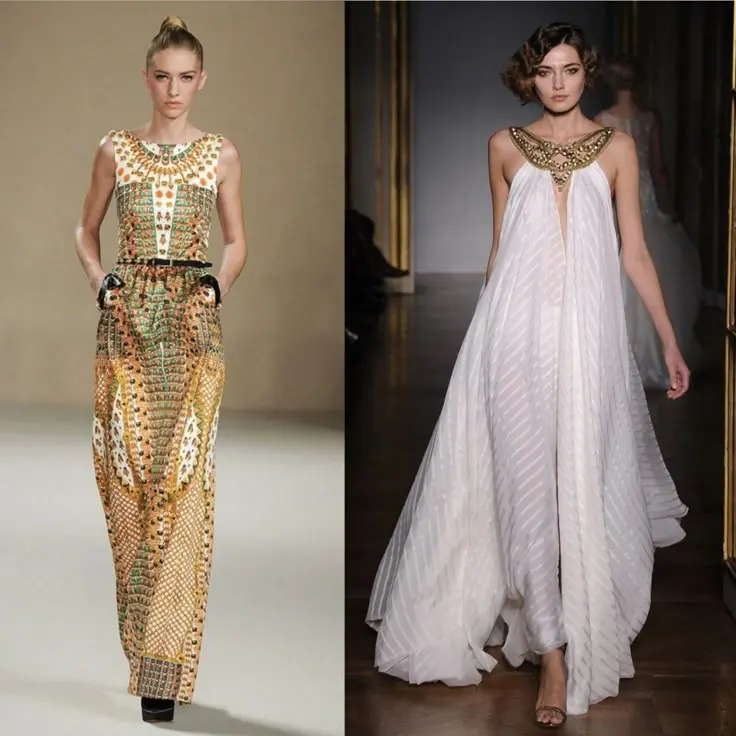
The style worn by those pharaohs continues to inspire contemporary clothing and fashion. From intricate jewelry patterns to simple, elegant linen garments, ancient Egyptian fashion has been a source of inspiration for designers and artists around the globe. In the meaning of symbolic symbols as well as using precious stones, and the beauty of Egyptian clothing are clear in today’s fashion collections. Even the costumes inspired by these ancient royals are still popular. These trends were not just for men; women of high status and even children of the royal lineage adorned themselves with similar symbolic pieces to reflect their heritage. Learn more about Royal Ancient Egyptian Clothing Female.
For visitors to Egypt, knowing “what did the pharaohs wear” can help connect the past to the present. By exploring the culture and visiting the locations, such as the pyramids and temples, tourists will understand the rich story behind the attire of the royals.
Explore Egypt by taking Respect Egypt Tours

Are you eager to travel back in time to explore the mysteries of the past in Egypt? Don't just read about history—walk through it. With Respect Egypt Tours, we provide expert-guided tours that take you to the most well-known places in Egypt. Our guides don’t just show you temples; they bring the stories of the pharaohs to life, explaining the intricate meanings behind every piece of royal attire you see on the walls.
Follow in the footsteps of the pharaohs and visit their tombs, and witness their royal attire firsthand. From the ancient pyramids of Giza and the temples in Luxor, we will guide you through time with comfort and deep historical insight.
Ready to step into the world of the pharaohs? Make your reservation through Respect Egypt Tours today. Let us transform your trip from a simple visit into an immersive journey through time, where the mysteries of royal fashion are unveiled right before your eyes.
Conclusion
If we ask, “What did a pharaoh wear?” we unlock a world of symbolism, elegance, and divine power. The attire of pharaohs was not just for comfort or modesty; it was a symbol of their power as gods and rulers of Egypt. From linen tunics to elaborate jewelry, every aspect was meticulously crafted to reflect the splendor of ancient Egypt.
If you’re interested in the pharaohs and their style, a trip to Egypt is the best opportunity to be part of the fascinating history. Make a reservation with Respect Egypt Tours and take a deep dive into the royal heritage of ancient Egypt.











.png "Movenpick Hotel")





.svg)
 Transfers