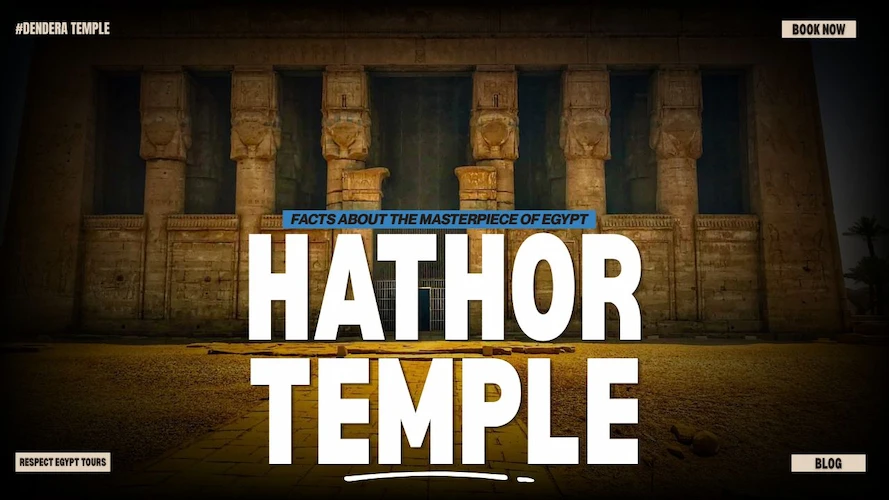
Why the Temple of Hathor at Dendera is Egypt’s True Masterpiece
The Temple of Hathor at Dendera is considered being among the most beautiful and well-preserved structures of Ancient Egypt. The site is on the western bank of the Nile. The historic structure has been devoted to Hathor, the goddess of love and beauty, and music. This Temple of Hathor at Dendera is a remarkable place that has captured the attention of both historians and tourists alike, providing a glimpse into the cultural and religious values of the early Egyptian world. This comprehensive guide will take you through the fascinating architectural, historical, as well as fascinating tales about the magnificent temple.
In this piece, we’ll dive into the Temple of Hathor in Dendera by exploring its significance in the past, its architectural marvels, and the reasons it should be a part of your travel itinerary when visiting Egypt. Let us assist you in discovering the reasons why it is so important to visit the Temple of Hathor at Dendera, which has more to offer than just a historical place; it’s an experience that will make you feel awestruck.
Historical Spotlight: While the site has roots in the Middle Kingdom, the massive structure we see today was primarily built during the Ptolemaic and Roman periods. This Greco-Roman era brought influence from various deities, with even the Roman Emperors Trajan and Domitian leaving their marks on the walls.
A glimpse into Ancient Egypt: Who was Hathor?
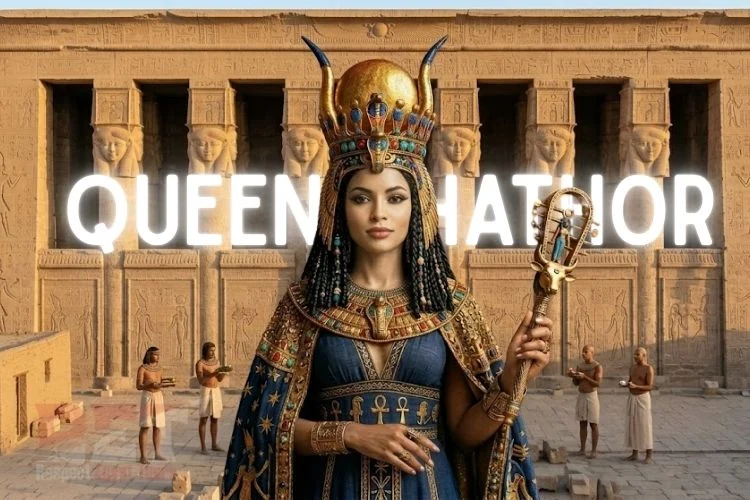
Before we can discuss the temple's significance, it’s crucial to understand the goddess to whom it was dedicated. Hathor was among the many revered gods in the old Egyptian faith and was revered as the goddess of love and dancing, music, and motherhood, as well as fertility. She also had a deep connection to the spirit world and was considered a loving spirit protector of the souls of those who died.
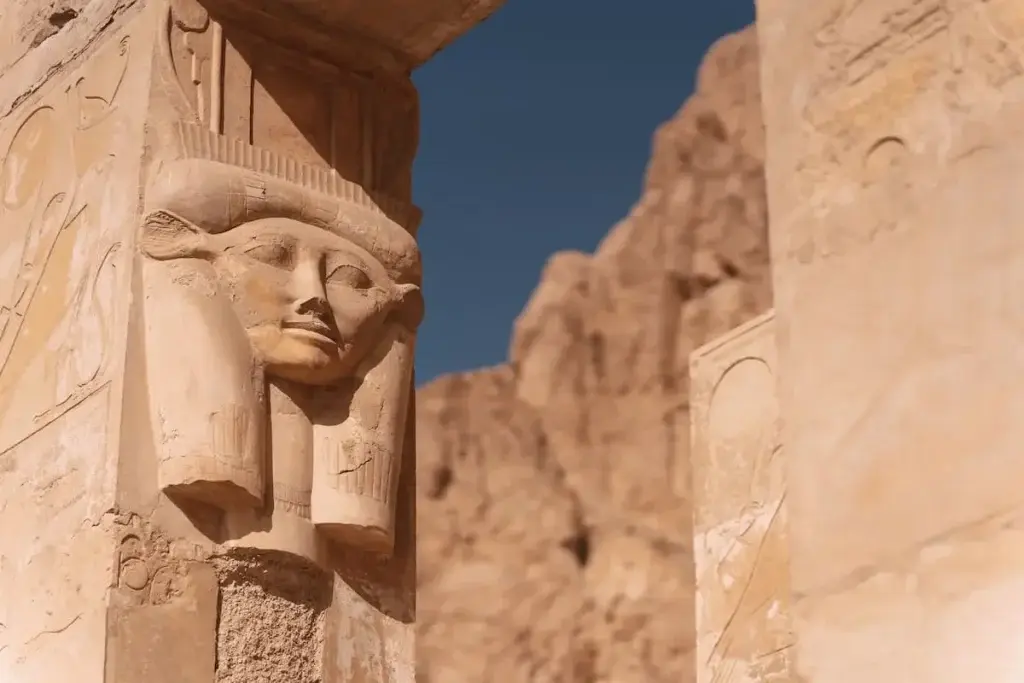
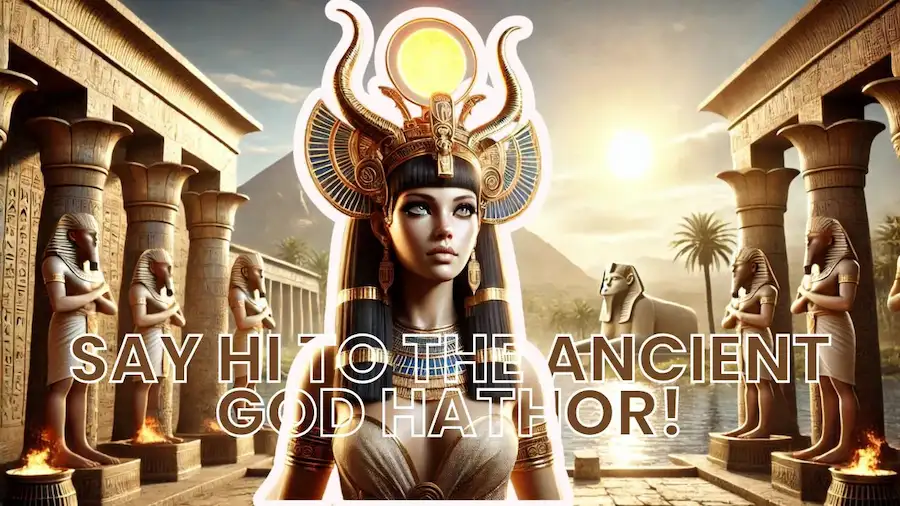
According to Egyptian legends, Hathor was considered a mother goddess. She was the symbol of love and joy. She frequently took the form of a cow, a symbol of fertility, or of a woman sporting the cow’s horns and the sun disk between her breasts. It is believed that the Temple of Hathor in Dendera was constructed in honor of this goddess and that the temple offered not only religious rituals but also a space where music, joy, and celebrations flourished. Here are some facts about Hathor that will blow your mind.
The Dendera Temple Complex: A Sacred Sanctuary
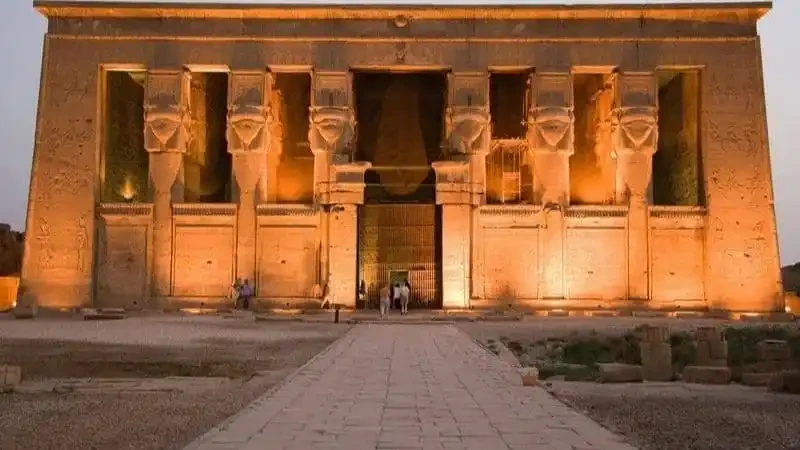
It is believed that the Temple of Hathor at Dendera is part of a larger structure that comprises other monuments and smaller temples. Dendera, a tiny Egyptian town situated approximately 60 km from Luxor, is where the temple is located. The complex is sometimes known as the Dendera Temple complex. The Dendera Temple complex is one of the best-preserved examples of ancient Egyptian architecture.
As you enter the lands of this magnificent site, you’re walking on the path of the earliest Egyptians, who thought that their temple was an entry point to the gods. This Temple of Hathor at Dendera was not only an actual structure but was regarded as a place of joy in which people could worship and connect with the gods.
Architecture of the Temple: A Marvel of Ancient Egyptian Design
The Temple of Hathor at Dendera is an architectural masterpiece. It is one of the most stunning and comprehensive temples in Egypt and showcases the splendor of ancient Egyptian design and engineering. It was constructed during the Ptolemaic Dynasty; this temple is one of the most well-preserved monuments of the time. We need to refer that the best way to experience the architecture of Hathor Temple in Dendera is to visit it yourself. Here's a tour to Dendera and Abydos.
Entrance: A Grand Gateway to the Divine
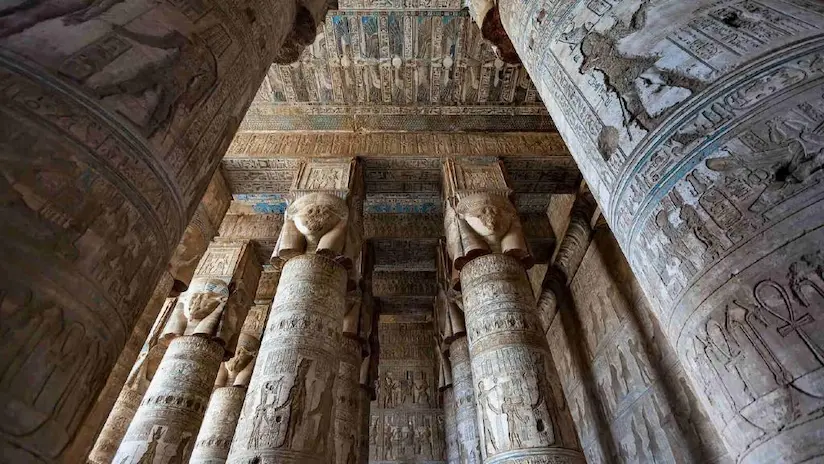
When you make your way to the temple, the entrance is absolutely stunning. Intricate carvings, inscriptions, and elaborate designs adorn the walls of the outer wall, telling tales of Hathor, the Goddess. Hathor and the significance she holds. These carvings aren’t just ornamental; they have deep religious significance, telling tales of mythology and stories associated with Hathor in all aspects, from her function as a mother who nurtures her children and her connection to the heavens.
The massive pylons that line the temple’s entrance at the entry point are typical of Egyptian design and symbolize the entrance to the realm of the Gods. As you enter these pylons, you will be taken into a world full of mythology, magic, and the power of the gods.
The Inner Sanctuary: Where the Goddess lives
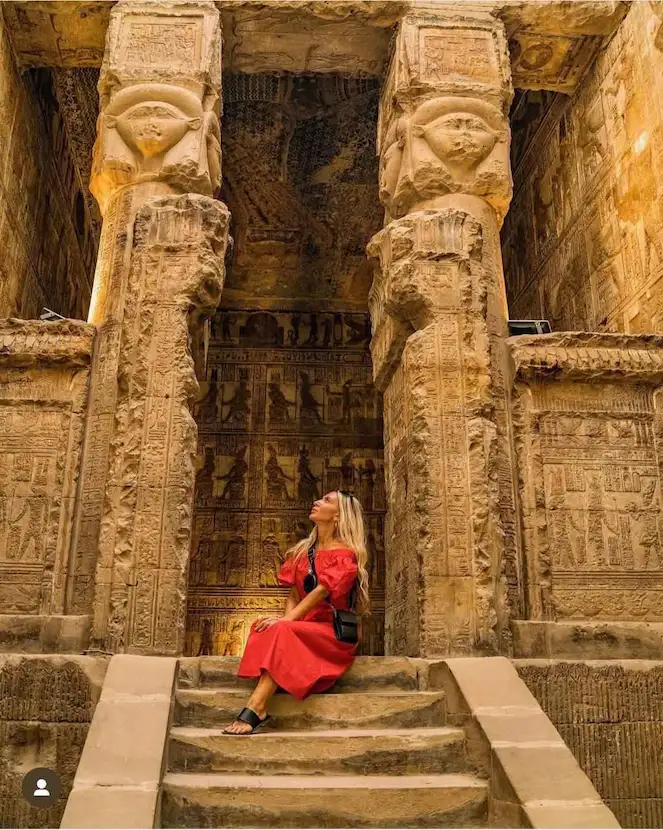
At the heart of Dendera’s Temple of Hathor lies its sanctuary, a chamber designated for the most sacred religious ceremonies. To Hathor, prayers and offerings could be offered by the priests in this sanctuary. The sanctuary was meticulously designed to reflect Hathor’s heavenly nature. The walls are covered with stunning reliefs depicting Hathor’s different appearances and characteristics.
The sanctuary is where you’ll also see the statue of Hathor, which was once the focus of worship. Although the statue has been removed from the temple, the spirit of Hathor’s presence is a lingering aspect in the thrill.
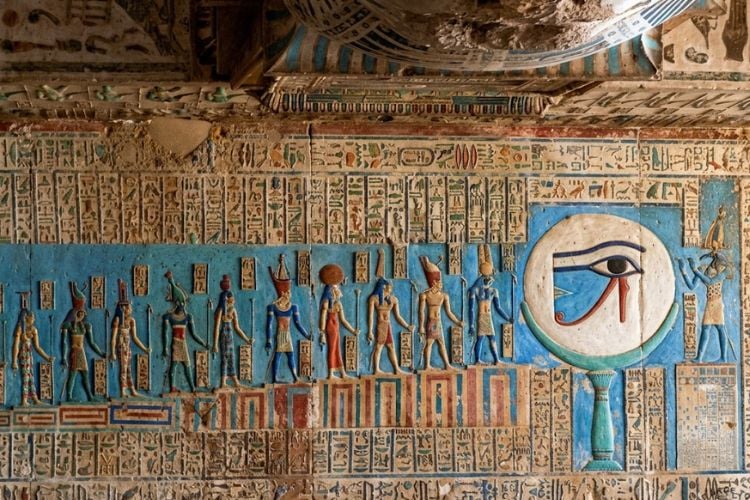
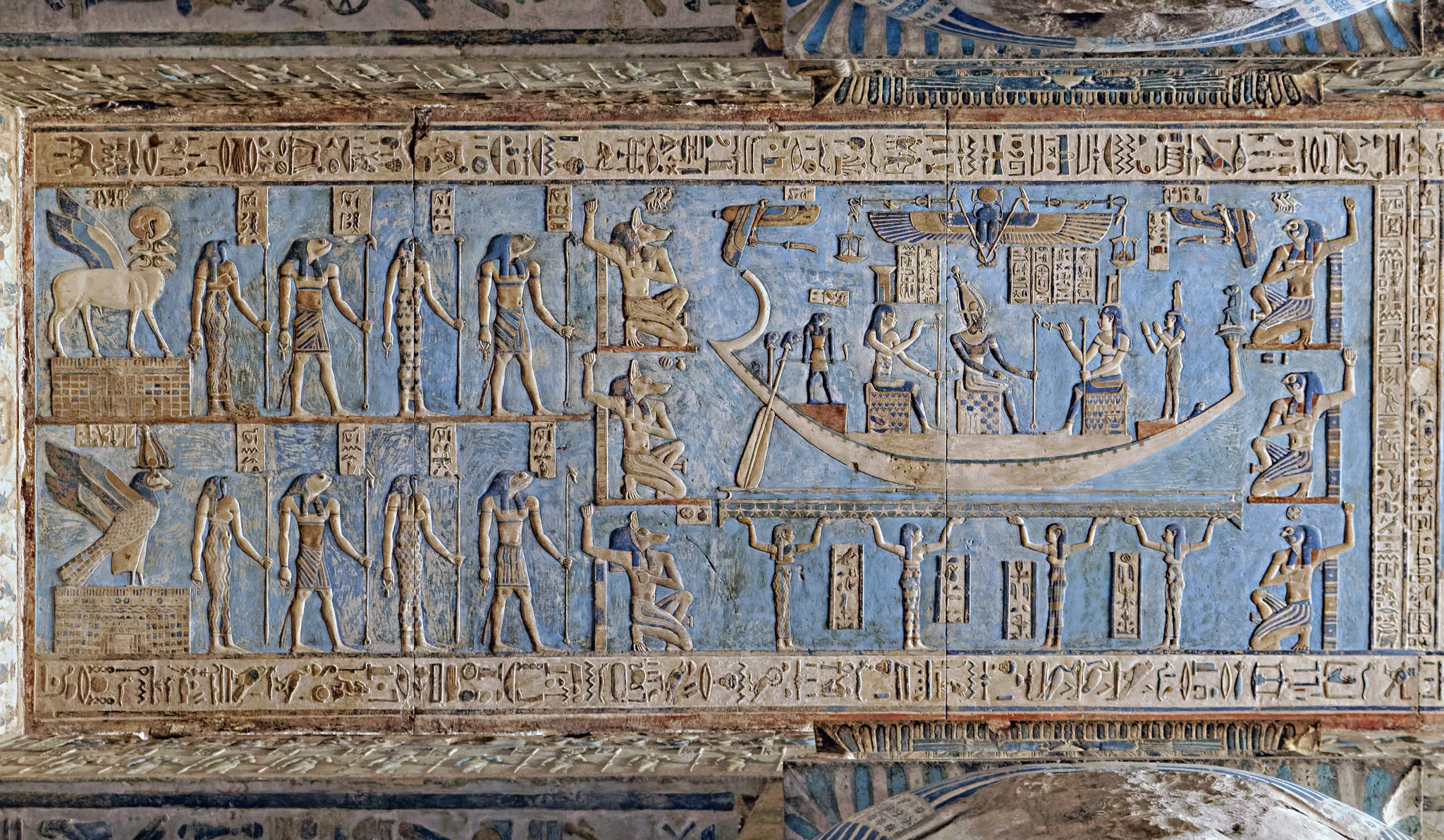
Remarkably well-preserved, the main temple stands as the largest and most complete in the area. As you explore the interior, you will find a rare and impressive collection of texts and epithets carved into the stone. These astronomical carvings detail the movement of the Sun and the god Ra, turning the ceiling into a celestial map.
The Roof: The Dendera Light and Cosmic Connections
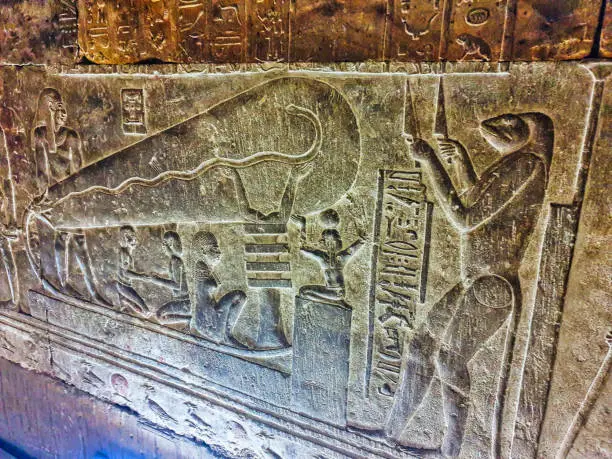
A single of the more intriguing characteristics that can be found in The Temple of Hathor at Dendera is its roof, which has caught the attention of many contemporary scientists and fans. On the roof of the temple, you’ll discover a fascinating and unique representation that is known as the Dendera light. The relief depicts what seems to be an elaborate light bulb or electric device, which has led to theories of the origins of Egyptian technology and the possibility of knowledge that was not available in the present day.
There are many who believe that the image that depicts the “light” could be a symbol for cosmic knowledge, connecting the temple with the heavens and stars. Some claim that it is the latest in technology from the past, but this is a highly speculative theory.
A Unique Historical Significance
It is believed that the Temple of Hathor at Dendera is an important religious site. It is an important part of the past that connects us to the ancient Egyptians and their view of the world. The temple gives insights into how Egyptians saw the cosmos, as well as the afterlife and their relationship to the gods.
The Zodiac of Dendera
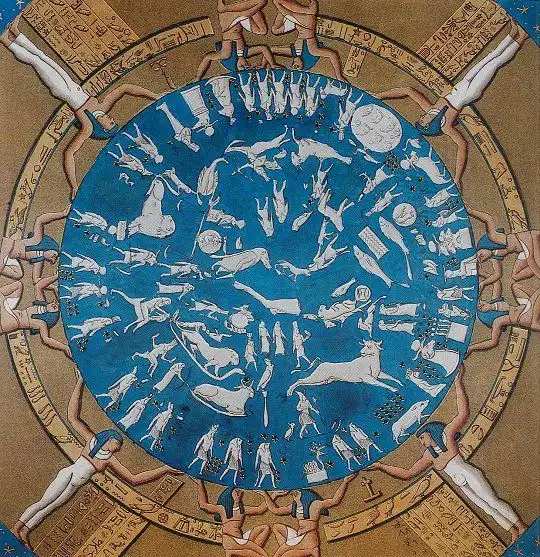
The most significant archaeological discoveries made during Dendera’s Temple of Hathor in Dendera include that of the Dendera Zodiac. It can be described as a ceiling relief which includes a representation of the night sky and the position of the constellations and stars when they first appeared over two thousand years in the past. The Zodiac of Dendera provides valuable information about ancient Egyptian astronomy and their knowledge of the universe.
The discovery has provoked a lot of debate, as it has challenged some of the traditional ideas about how the early Egyptians saw the stars. It has been one of the most significant artifacts of Egyptologists and is currently housed within the Louvre Museum in Paris.
The Healing Powers of Hathor
Hathor was not just regarded as the god of love, but she was also a goddess of healing. In early Egyptian times, many people would visit Hathor’s Temple at Dendera to seek healing power and a blessing. Temples were believed to serve as a place where the divine energy of the goddess could restore health and well-being. Many believe that the temple’s design and the spiritual practices that were performed within it had profound effects on healing, both emotional and physical.
Why should you visit the Temple of Hathor at Dendera with Respect Egypt Tours?
If you go to Dendera, the Temple of Hathor at Dendera, it is not simply witnessing an ancient structure; it is an adventure through time to the very heart of the past in Egypt. The splendor of the temple, the mystery of the Dendera illumination, and the old stories of Hathor become real as you wander through its stunning halls.
We are Respect Egypt Tours. We offer exclusive, personalized excursions in Dendera, the Temple of Hathor at Dendera, that ensure you enjoy a memorable experience. Our guides are extremely knowledgeable about Egypt’s past and the goddess Hathor, and the fascinating symbols found in the temple. We ensure every tour is not just informative but also awe-inspiring, allowing you to connect with the world of the past in an experience that is personal and meaningful.
If you’re fascinated by Egyptology or spirituality, or simply the stunning elegance of the temple, Respect Egypt Tours will guide you to one of Egypt’s most important historical monuments. Our aim is to ensure that your trip to the Temple of Hathor at Dendera is memorable and to offer you information that goes beyond the typical tourist-related knowledge.
Exploring the Complexities of the Temple of Hathor at Dendera
The Sacred Lake
The Temple of Hathor at Dendera is not only notable for its impressive construction but also because of the holy lake nearby. The lake was used for purification rituals prior to entering the temple. In the past, Egyptians held the belief that water held spiritual properties. The lake was believed to represent the waters from which all life grew. Today, the lake is a tranquil backdrop to temples. Temple, enhancing the peaceful environment of the temple.
The Zodiac Room
Another interesting feature of the Temple of Hathor at Dendera is the Zodiac Room, where you will find representations of the symbols that signify the zodiac and the cosmic cycle of rebirth. The room shows the temple’s significance as a site with spiritual and cosmic importance, in which priests could interpret the movements of stars and align the temple’s ceremonies with celestial happenings.
A Journey to the Land of Hathor
If you go to the Temple of Hathor in Dendera, you’re walking into the realm where the Goddess Hathor herself is. It has a religious significance that is felt by those who visit it. It doesn’t matter if you’re a scholar, a traveler, or someone on a spiritual path. The Temple of Hathor at Dendera provides something special.
Location & Access
The temple is located on the west bank of the Nile River, just north of Luxor (often referred to as Denderah). It served as the center for the divine feminine cult, featuring unique structures like the birthing house and grand stairs leading to the roof, which are still accessible to visitors today.
Conclusion: The Temple of Hathor at Dendera Awaits
It is believed that the Temple of Hathor, in Dendera, is not just an ancient ruin. It is an environment where culture, history, and spirituality are interspersed. From its breathtaking design to its significant religious importance, the temple stands as an example of the ancient Egyptians who devoted their lives to the gods.
We at Respect Egypt Tours. We provide you with the chance to visit. The guided tours we offer are not only an overview of Dendera’s Temple of Hathor in Dendera but also a deep exploration of the spiritual, historical, and cultural context. Join us as we discover the beauty of this ancient temple playing out before you while you learn the secrets of Egypt’s glorious past.
Do not miss the opportunity to visit the Temple of Hathor in Dendera. It is a real jewel in Egypt’s crown of old marvels. Take a tour by calling Respect Egypt Tours now and begin an unforgettable trip through the past.
Related Tours













.png "Movenpick Hotel")





.svg)
 Transfers